Fast Charging Networks Expand Across Europe
The expansion of fast charging networks across Europe is a defining trend in the continent’s electric vehicle (EV) infrastructure development. As the adoption of electric vehicles continues to grow, the availability of high-power charging stations along major highways has become a critical factor in supporting long-distance travel. This article examines the current state of these networks, the technology behind them, and the broader implications for EV drivers and the energy grid.
The focus on highway corridors is particularly important because long-distance journeys often raise concerns about vehicle range and charging availability. By addressing these concerns, the growing network of high-power chargers aims to make electric travel more practical and convenient. The following sections explore the methodologies behind network expansion, the technical aspects of high-power charging, and the coordination efforts among various stakeholders.
The Evolution of High-Power Charging Infrastructure
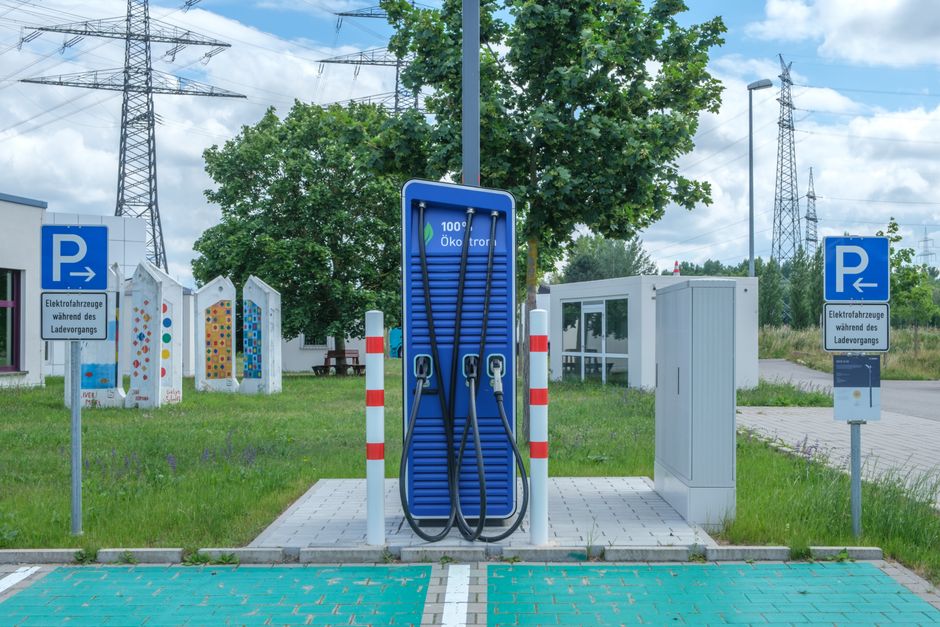
The development of high-power charging infrastructure in Europe has followed a strategic approach that emphasizes interoperability and coverage. Early charging networks primarily offered lower power levels, which were suitable for urban and occasional use but less practical for time-sensitive highway travel. Over time, the focus has shifted toward ultra-fast chargers with power outputs ranging from 150 kW to 350 kW, capable of adding hundreds of kilometers of range in a matter of minutes.
The expansion process involves multiple stages, including site selection, grid connection, and installation. Site selection often considers proximity to highways, availability of amenities, and grid capacity. Connecting high-power chargers to the electrical grid can require significant upgrades, as these stations demand high voltage and power. Consequently, collaboration with distribution system operators is essential, and the integration of renewable energy sources is increasingly part of the planning process.
Another key aspect is the standardization of connectors and payment systems. The adoption of the Combined Charging System (CCS) as a common standard across many European countries has simplified the user experience, allowing drivers to use a wide range of stations with a single connector. Furthermore, the development of roaming agreements between network operators enables cross-network access, which is crucial for seamless travel across borders.
Reducing Range Anxiety Through Network Density
Range anxiety—the concern that a vehicle may run out of charge before reaching a charging point—remains a psychological barrier for some potential EV drivers. The expansion of dense networks of high-power chargers along highways directly addresses this concern by increasing the number of charging opportunities during long trips. When stations are spaced at reasonable intervals, typically every 50 to 150 kilometers, drivers can plan their journeys with greater confidence.
Real-time data and navigation systems also play a role in mitigating range anxiety. Many electric vehicles are equipped with route planning software that predicts energy consumption and suggests charging stops based on current battery level and station availability. Additionally, mobile applications provide live information on charger status, enabling drivers to make informed decisions while on the road.
The psychological impact of network density should not be underestimated. As charging becomes more accessible, drivers may feel more comfortable taking their EVs on longer journeys, thereby increasing the overall usability of the vehicles. This, in turn, supports the broader adoption of electric mobility, which is a key goal for many European governments aiming to reduce greenhouse gas emissions.
Technological Innovations in Charging Solutions
Technological advancements continue to improve the efficiency and convenience of high-power charging. For instance, the development of higher-capacity batteries in newer EV models allows for faster charging rates without compromising battery life. Thermal management systems are also being refined to handle the heat generated during rapid charging, ensuring safety and durability.
Another innovation is the introduction of modular charging systems that can be upgraded as technology evolves. These systems allow network operators to increase power output or add new features without replacing the entire infrastructure. This approach reduces long-term costs and facilitates the gradual transition to even higher power levels in the future.
Digital integration is another area of progress. Smart charging systems can communicate with the grid to optimize charging times based on energy demand and renewable generation. This not only helps balance the grid but can also result in lower costs for consumers. Furthermore, automated payment and authentication systems streamline the user experience, reducing the time spent at charging stations.
Coordination Among Stakeholders
The expansion of fast charging networks is a collaborative effort involving multiple stakeholders, including automakers, energy companies, network operators, and public authorities. Automakers are increasingly investing in charging infrastructure as part of their commitment to EV sales. For example, joint ventures such as Ionity have been established by major car manufacturers to deploy high-power chargers across Europe.
Public funding and policy support have also been instrumental. The European Union has set targets for the deployment of alternative fuels infrastructure, and member states have implemented various incentives and regulatory measures to encourage network expansion. National and regional governments often provide grants, tax incentives, or accelerated permitting processes for charging station installations.
At the local level, municipalities collaborate with private companies to identify suitable locations and ensure that charging stations are integrated into the urban landscape. This collaboration is essential for achieving a balanced network that serves both highway travel and urban mobility needs.
Challenges and Future Outlook
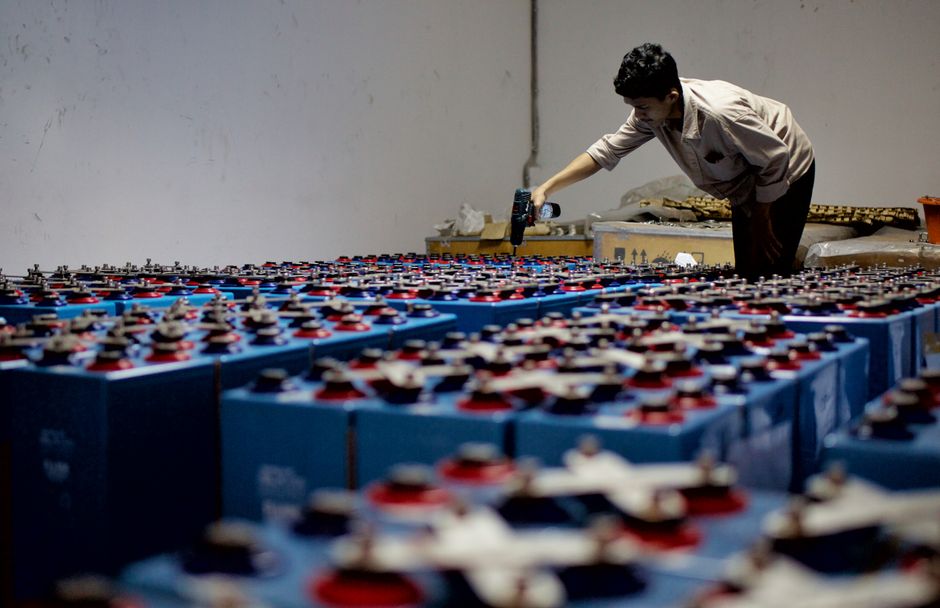
Despite the significant progress, several challenges remain. Grid capacity is a major constraint in many areas, and upgrading the grid to accommodate high-power chargers can be time-consuming and costly. Additionally, the availability of space at existing service stations or rest areas may limit the number of chargers that can be deployed. To address these issues, some projects are exploring the use of energy storage systems, such as stationary batteries, to reduce peak demand on the grid.
Interoperability is still a work in progress, as not all networks are fully integrated, and payment methods may differ across countries. Efforts are underway to standardize payment and billing processes, but harmonization across Europe remains an ongoing process. Furthermore, as the number of EVs on the road increases, the demand for fast charging is expected to rise, necessitating continued investment in infrastructure.
Looking ahead, the future of fast charging networks in Europe appears promising. Advances in charger technology, such as the development of megawatt charging for heavy vehicles, are on the horizon. Also, the integration of renewable energy sources and smart grid technologies will likely enhance the sustainability and efficiency of charging operations. With sustained collaboration among stakeholders, the network is set to expand further, making electric long-distance travel increasingly practical and convenient for drivers across the continent.
The ongoing expansion of high-power charging infrastructure is a key enabler for the wider adoption of electric vehicles, but its success depends on continuous investment, innovation, and cooperation across borders.