How Automakers Retool Factories for EVs
The shift from internal combustion engine (ICE) vehicles to electric vehicles (EVs) represents one of the most significant transformations in automotive manufacturing history. Retooling existing factories is a complex process that involves not only updating machinery but also rethinking entire production workflows. This article, provided by VoltDrive Insights, examines the key aspects of this transition, focusing on the equipment changes and workforce training that are essential for a successful conversion.
Automakers are increasingly repurposing their existing plants rather than building entirely new ones. This approach can reduce costs and accelerate the transition, but it also presents unique challenges. The process requires careful planning, substantial investment, and a clear understanding of the differences between producing vehicles with combustion engines and those powered by electric batteries.
Reconfiguring the Production Line
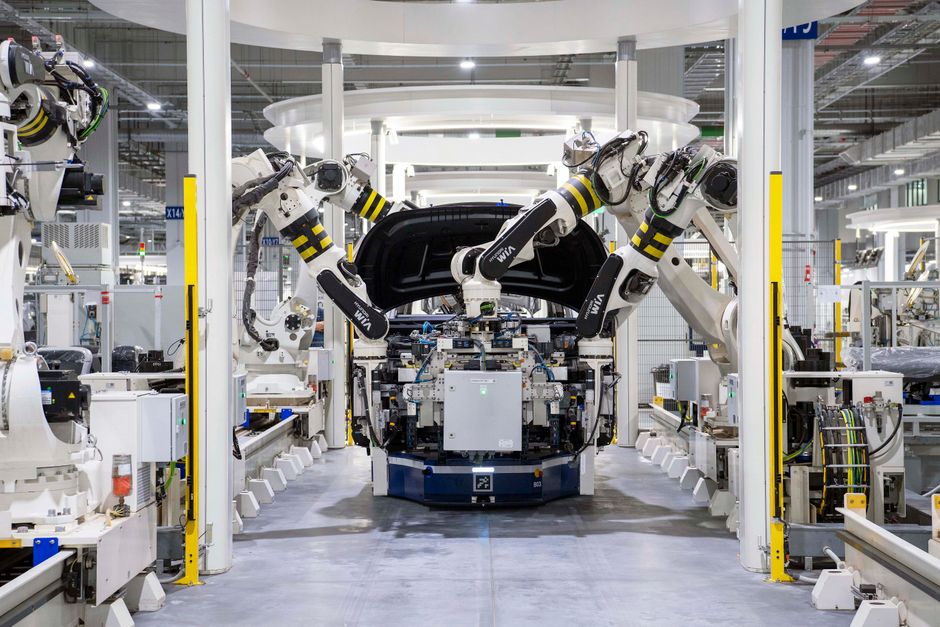
The most visible change in a factory converting to EV production is the assembly line itself. Traditional assembly lines are designed around the engine and transmission, which are large and heavy components. In an EV, the battery pack replaces the engine, and the electric motor is much smaller. This alteration necessitates a significant reconfiguration of the production line layout, including the installation of new conveyor systems and robotic equipment optimized for these components.
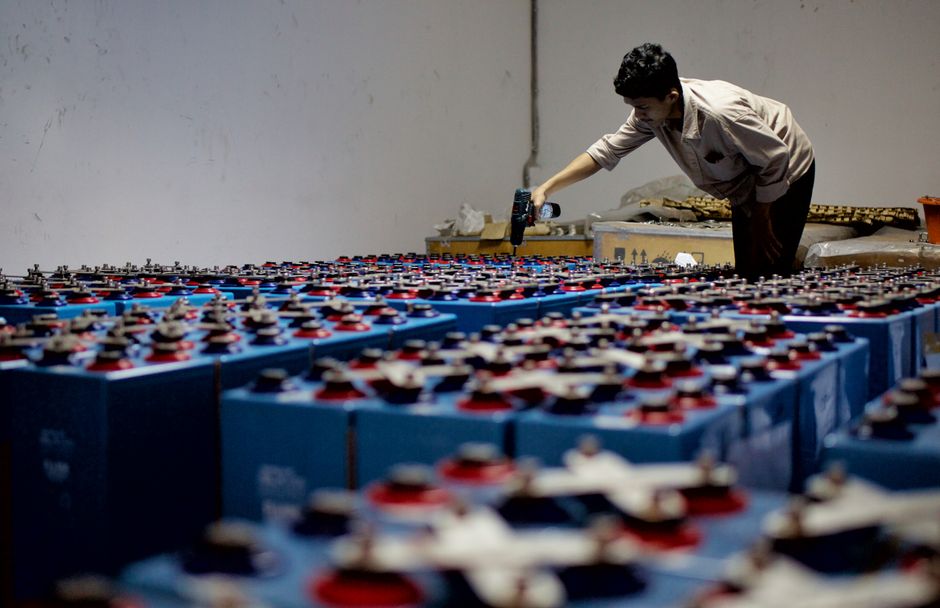
One of the primary challenges is the handling of batteries. Battery packs are heavy and require careful handling to prevent damage. Moreover, they contain high-voltage components that pose safety risks. As a result, factories must be equipped with specialized lifting equipment, safety interlocks, and containment systems for potential thermal events. In addition, the integration of battery cells into modules and packs often requires cleanroom-like conditions to avoid contamination and ensure quality.
Another aspect is the powertrain assembly. Instead of installing a complex internal combustion engine with hundreds of moving parts, workers now install a relatively simple electric motor and reduction gearbox. This simplification can reduce the number of assembly steps and the need for precision fitting, but it also requires new tooling for mounting these components.
New Equipment and Technologies
The retooling process involves the installation of new equipment that can handle the unique requirements of EV components. This includes battery cell manufacturing and assembly lines, which may be added to existing plants or hosted in separate facilities. High-voltage wiring, power electronics, and thermal management systems also require specialized installation and testing equipment.
Robotics and automation play a crucial role in EV production. Many factories are incorporating more automated guided vehicles (AGVs) to transport materials, and robots are used for tasks such as battery module assembly and sealing. The use of advanced sensors and data analytics helps to monitor the production process in real-time, enabling predictive maintenance and quality control.
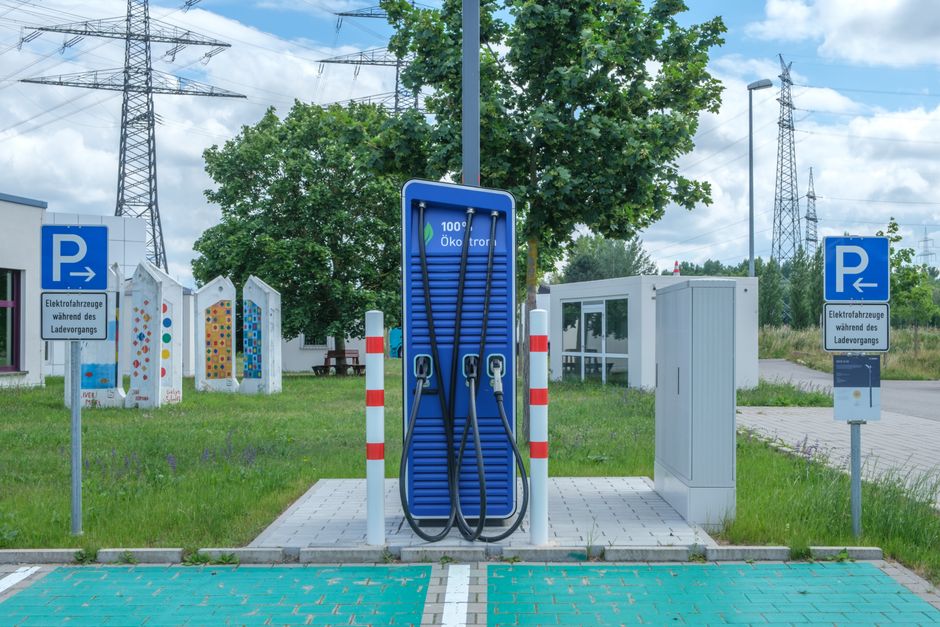
Moreover, the testing of EVs is markedly different. Rather than testing exhaust emissions, factories now have to conduct electrical safety tests, battery performance tests, and software updates. This requires the installation of diagnostic equipment and charging infrastructure at various points in the assembly line, as well as in the final validation area.
Workforce Training and Skills Development
Equally important as the physical retooling is the training of the workforce. Employees who are experienced in assembling combustion engines must adapt to working with high-voltage systems and delicate electronic components. This necessitates comprehensive training programs that focus on safety procedures, new assembly techniques, and the use of diagnostic tools.
In addition to technical skills, workers may need to develop competencies in software installation and calibration. Modern EVs are essentially software-defined vehicles, and the installation and configuration of software during the production process is critical. This means that assembly line workers must become comfortable with computer-based interfaces and troubleshooting.
Furthermore, the culture of the factory may shift. The production of EVs often requires more collaborative work among teams, as the integration of battery packs, electric motors, and software requires cross-functional coordination. Training programs that emphasize teamwork and communication can help facilitate this transition.
Supply Chain and Logistics Adjustments
Retooling factories also involves reconstituting the supply chain. Plants that previously received shipments of engines and transmissions must now receive battery cells, electric motors, and power electronics. This shift requires changes in storage, inventory management, and the layout of logistics areas. For example, battery cells often have a limited shelf life and require temperature-controlled storage.
Moreover, the geographic location of suppliers may change. Battery production is often concentrated in specific regions, and automakers may need to establish new relationships with suppliers or develop in-house capabilities. The complexity of these adjustments can be significant, and they require careful planning to avoid production disruptions.
Automakers also have to consider the end-of-life handling of batteries and other EV components. The factory’s logistics must accommodate the proper recycling or repurposing of scrap materials from production, as well as the safe disposal of any hazardous waste.
Quality Control and Certification
The retooling process includes updating quality control procedures to align with EV-specific standards. This involves the implementation of new testing protocols, such as high-voltage insulation tests, leak tests for cooling systems, and battery management system checks. Additionally, the factory must obtain certifications related to the production of electric vehicles, including compliance with safety regulations for handling high-voltage components.
Statistical process control methods are adapted to monitor the new processes. Because EV components are smaller and more sensitive, tighter tolerances may be required. Advanced measurement systems, such as laser scanning and coordinate-measuring machines, are often introduced to ensure precision.
Furthermore, the software that controls the factory equipment itself is part of the retooling. Manufacturers often upgrade their manufacturing execution systems (MES) to track the new production steps and to collect data for continuous improvement.
Challenges and Future Outlook
The transition to EV production is not without its challenges. One of the main obstacles is the high initial investment required for new equipment and retraining. Automakers must balance the need to keep existing models in production while simultaneously converting lines. This often leads to a phased approach, where some production lines are converted while others continue to make ICE vehicles.
Another challenge is the rapid pace of technological change. As battery technology evolves, the production process may need to adapt again. Flexible manufacturing systems, which can accommodate different battery sizes and chemistries, are being developed to mitigate this risk.
Despite these challenges, the trend towards EV production is accelerating. Many automakers have announced plans to become fully electric in the coming decades, and the retooling of factories is a critical part of that strategy. The ability to efficiently convert existing plants can provide a competitive advantage in the transition to electric mobility.
It is important to note that the success of these transformations depends on many factors, including market demand, regulatory support, and the availability of raw materials. Each factory’s journey is unique, and the outcomes may differ.
In conclusion, retooling factories for EV production involves a comprehensive overhaul of equipment, processes, and personnel. By focusing on the specific needs of electric vehicles, automakers can navigate the complexities of this transition. The experience gained through these conversions will likely shape the future of automotive manufacturing.