Solid State Batteries in Electric Cars
As the automotive industry accelerates its transition toward electrification, the spotlight increasingly falls on the battery technologies that underpin electric vehicles (EVs). While lithium-ion batteries have enabled the current generation of EVs, new approaches are emerging to address their inherent limitations. Among these, solid-state batteries stand out as a promising avenue, offering potential improvements in energy density and charging speeds. This article provides an in-depth examination of solid-state battery technology, its current state of development, and the considerations that accompany its integration into next-generation electric cars. The focus is on the principles, processes, and context surrounding this technology, rather than on specific outcomes or guarantees.
The discussion will cover the fundamental differences between solid-state and conventional batteries, the materials and mechanisms involved, manufacturing challenges, and the anticipated impact on vehicle design and user experience. By exploring these aspects with a neutral and informational tone, we aim to present a balanced perspective on what solid-state batteries might bring to the electric vehicle landscape. It is important to note that the deployment of any new technology involves multiple variables, and commercial availability and performance will depend on a range of technical, economic, and regulatory factors.
Understanding Solid-State Batteries: Beyond Liquid Electrolytes
At its core, a solid-state battery replaces the liquid or polymer electrolyte found in conventional lithium-ion batteries with a solid electrolyte. This fundamental change in composition alters the battery’s internal architecture and behavior. In traditional lithium-ion cells, the electrolyte is a flammable organic solvent that facilitates the movement of lithium ions between the anode and cathode during charge and discharge cycles. The solid electrolyte, by contrast, is typically a ceramic, glass, or solid polymer material that performs the same ionic conduction function but without the volatility and flammability associated with liquid electrolytes.
The choice of solid electrolyte material is central to the battery’s performance characteristics. Sulfide-based electrolytes, for example, exhibit high ionic conductivity, but they may be sensitive to moisture and require careful handling. Oxide-based electrolytes offer greater stability but may have lower conductivity. Solid polymer electrolytes provide flexibility and ease of processing, yet their conductivity often necessitates operation at elevated temperatures. Each material presents a distinct set of trade-offs that researchers and manufacturers are actively investigating.
Beyond the electrolyte, the anode and cathode materials also differ from those used in conventional batteries. Many solid-state designs aim to use a lithium metal anode, which has a much higher theoretical specific capacity than the graphite anodes currently used in lithium-ion batteries. This shift can contribute to significant gains in energy density, potentially allowing for longer driving ranges or smaller battery packs. However, the use of lithium metal introduces challenges related to dendrite formation and interfacial stability, which are areas of ongoing research and development.
Advancing Energy Density and Charging Speeds
One of the primary motivations for pursuing solid-state batteries is their potential to achieve higher energy density compared to lithium-ion batteries. Energy density—measured in watt-hours per kilogram (Wh/kg)—directly influences the driving range of an electric vehicle for a given battery weight. With a higher energy density, manufacturers could either increase the vehicle’s range without compromising weight or reduce the battery size while maintaining a similar range. This flexibility could lead to lighter vehicles, more efficient packaging, and potentially lower production costs in the long run.
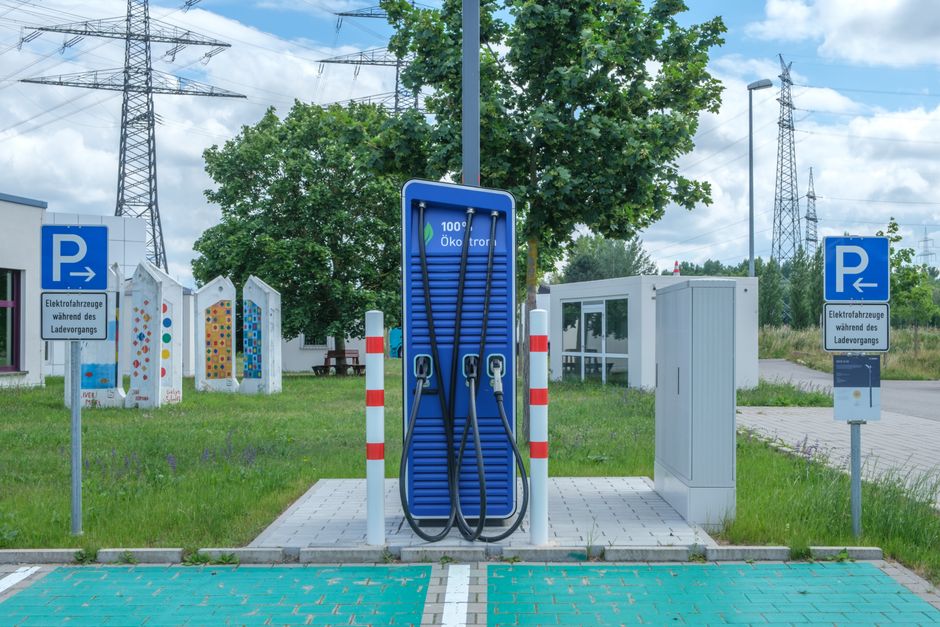
Faster charging is another area where solid-state batteries are expected to excel. The solid electrolyte is often more resistant to the formation of lithium dendrites—needle-like structures that can grow during fast charging and cause short circuits. By mitigating dendrite growth, solid-state batteries may tolerate higher charging currents without compromising safety or longevity. This capability is particularly relevant for the adoption of ultra-fast charging infrastructure, which aims to bring charging times closer to those of conventional refueling. Nonetheless, the realized charging speed will depend on the battery’s design, thermal management, and the charging hardware’s capabilities.
It is important to note that these benefits are not guaranteed across all solid-state battery designs. The performance varies with the materials and engineering choices, and achieving high conductivity and stability simultaneously remains a complex optimization problem. The path to commercialization involves rigorous testing and validation to ensure that the theoretical advantages can be harnessed in practical, mass-produced cells.
Manufacturing Challenges and Scalability Hurdles
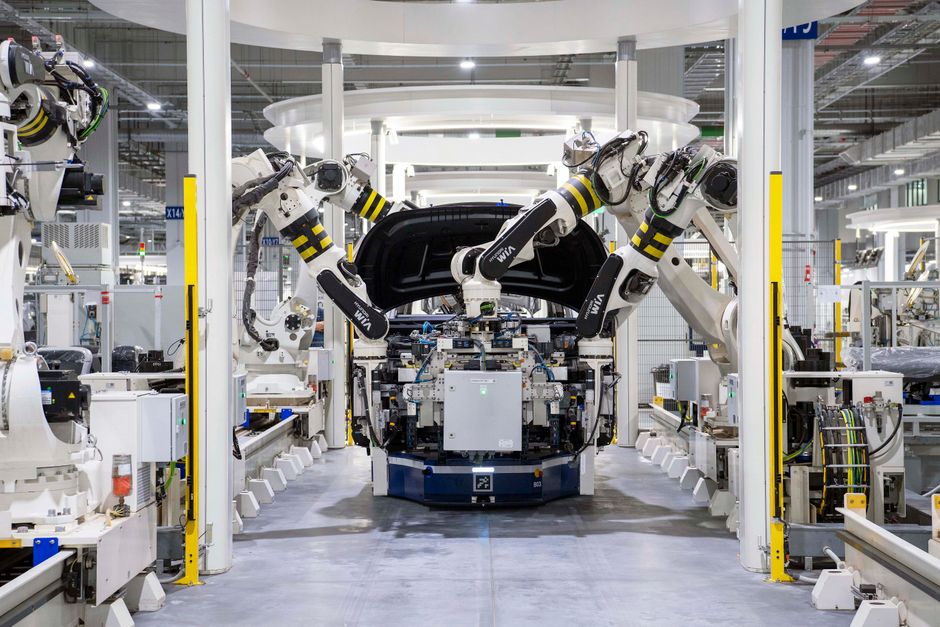
Transitioning from a laboratory-scale solid-state battery to a mass-produced component for electric vehicles requires overcoming substantial manufacturing obstacles. One of the foremost challenges is the fabrication of solid electrolyte layers thin enough to maintain high energy density while ensuring mechanical integrity and uniform ionic conduction. Thin-layer processing techniques, such as tape casting or pulsed laser deposition, must be refined to produce consistent, defect-free films at scale.
Interfacial contact between the solid electrolyte and the electrodes is another critical concern. In liquid electrolyte systems, the liquid naturally wets the electrode surfaces, ensuring good ionic contact. In solid-state systems, however, achieving intimate and stable contact between solid components is more difficult. Any gaps or voids at these interfaces can lead to high resistance, reduced capacity, and faster degradation. Techniques such as pressure application, surface coatings, and advanced sintering methods are being explored to enhance interfacial adhesion and stability.
Cost is an additional factor that influences the pace of adoption. Many solid electrolyte materials contain rare elements or require energy-intensive production processes, which could raise the cost per kilowatt-hour relative to established lithium-ion technologies. Economies of scale and novel synthesis routes may help reduce costs over time, but initial commercial deployments are likely to be in premium vehicles or specialized applications where the benefits justify a higher price point. Furthermore, recycling and end-of-life management for solid-state batteries are still in their infancy, requiring the development of new processes to recover valuable materials.
Implications for Vehicle Design and User Experience
Should solid-state batteries reach production in a viable form, their characteristics will have broad implications for how electric vehicles are designed and used. A higher energy density could enable automakers to redesign vehicle platforms, achieving a lower center of gravity and more spacious interiors by repackaging the battery cell modules. The potential for faster charging might also influence the placement of charging ports, the design of on-board power electronics, and the development of charging algorithms that optimize for the battery’s specific behavior.
For drivers, the most visible change would be an improvement in range and a reduction in charging time, which could alleviate range anxiety and make long-distance travel more convenient. However, the real-world performance will depend on many external factors, including ambient temperature, driving behavior, and the charging infrastructure (a term not used; instead: “charging station capabilities”) that is available. It is unlikely that any single technology will completely eliminate the need for careful route planning or thermal management, and users should maintain a balanced perspective on what solid-state batteries can offer.
Additionally, the partnership between battery manufacturers, automakers, and infrastructure providers will be essential to ensure that the potential benefits are realized. Standardization of interfaces, safety protocols, and performance metrics will help foster interoperability and consumer acceptance. Regulatory frameworks will also play a role in setting safety and environmental requirements that new battery technologies must meet before they can be widely deployed.
Research and Development Prospects
The solid-state battery field is rapidly evolving, with numerous research initiatives and pilot projects underway globally. Academic institutions, national laboratories, and private companies are collaborating to address the fundamental scientific questions and engineering challenges outlined earlier. Advances in computational modeling, high-throughput experimentation, and advanced characterization techniques are accelerating the discovery of new solid electrolyte materials and the optimization of existing ones.
Notable areas of focus include the development of hybrid solid electrolytes that combine the advantages of different materials, such as ceramics and polymers, to achieve both high conductivity and flexibility. Another line of research investigates the use of thin-film coatings or interlayers to stabilize the electrode-electrolyte interface and prevent undesirable side reactions. In parallel, refinements are being made to manufacturing processes, such as roll-to-roll processing and dry electrode coating, which are inspired by existing battery production methods but adapted for solid-state components.
It is important to acknowledge that the timeline for widespread commercial availability remains uncertain. While some companies have announced plans for limited releases of solid-state batteries in the near term, the transition to mass adoption is likely to be gradual. The automotive industry’s reliance on supply chains and the need for proven reliability over many years of service mean that new battery technologies undergo extensive validation before they are offered in mainstream vehicles. Therefore, solid-state batteries may initially appear in premium or niche models, with broader diffusion occurring only after they demonstrate real-world durability and cost-effectiveness.
Conclusion
Solid-state batteries represent a significant technological avenue with the potential to advance electric vehicles through higher energy density and faster charging capabilities. However, the journey from concept to implementation is intricate, involving material science innovations, manufacturing scalability, and integration into complex automotive systems. The electric vehicle industry stands to benefit from continued research and development in this area, but the pace and extent of transformation will be determined by a confluence of technical progress, economic viability, and market readiness.
For stakeholders—automakers, battery producers, policymakers, and consumers—understanding the nuances of solid-state technology is crucial for making informed decisions. By focusing on the principles and processes rather than overpromising outcomes, a realistic picture emerges: solid-state batteries are a promising piece of the puzzle, but they are not a magic solution. The future of electric mobility will likely be shaped by a portfolio of battery technologies, each suited to different applications and evolving in response to ongoing innovation.