EV Battery Recycling and Second-Life Uses
The transition to electric mobility brings with it a growing need to address the full life cycle of lithium-ion batteries. As electric vehicles (EVs) become more common, questions about what happens to their batteries after they are retired from automotive service are increasingly relevant. The end-of-life phase of these batteries presents both environmental challenges and opportunities for resource recovery and reuse. This article examines the methods currently in place for recycling lithium-ion batteries and the potential for giving them a second life in stationary storage applications.
Understanding the composition and degradation patterns of lithium-ion batteries is fundamental to designing effective recycling and repurposing processes. These batteries contain valuable metals such as lithium, cobalt, nickel, and manganese, along with other components like graphite and aluminum. Over time, as the battery cycles, its capacity and performance decline, eventually making it unsuitable for demanding automotive use. However, even after this point, significant material value remains, and the capacity that is left can still be harnessed for less intensive applications. The management of retired EV batteries is therefore a key aspect of the broader circular economy for electric mobility.
Recycling Technologies and Processes
Recycling lithium-ion batteries involves several distinct technological approaches, each with its own advantages and limitations. The two most widely used methods are pyrometallurgy and hydrometallurgy, each processing the battery materials in different ways. Pyrometallurgical processes involve smelting the batteries at high temperatures to recover valuable metals like cobalt and nickel, while the lithium and aluminum tend to end up in the slag or are lost to the process. Hydrometallurgical processes, on the other hand, use aqueous solutions to leach out metals, allowing for higher recovery rates of a broader range of materials, including lithium.
A third approach, direct recycling, is gaining attention for its potential to preserve the cathode structure and directly regenerate the cathode material for reuse. This method involves separating the cathode from other components and then re-lithiating and repairing it, which could significantly reduce energy consumption and waste generation compared to traditional methods. Each of these methods requires careful handling of the battery to ensure safety and environmental protection, as batteries contain flammable electrolytes and reactive materials. The development of these technologies is driven by the need to recover valuable materials while minimizing environmental impact, and ongoing research is focused on improving efficiency and scalability.
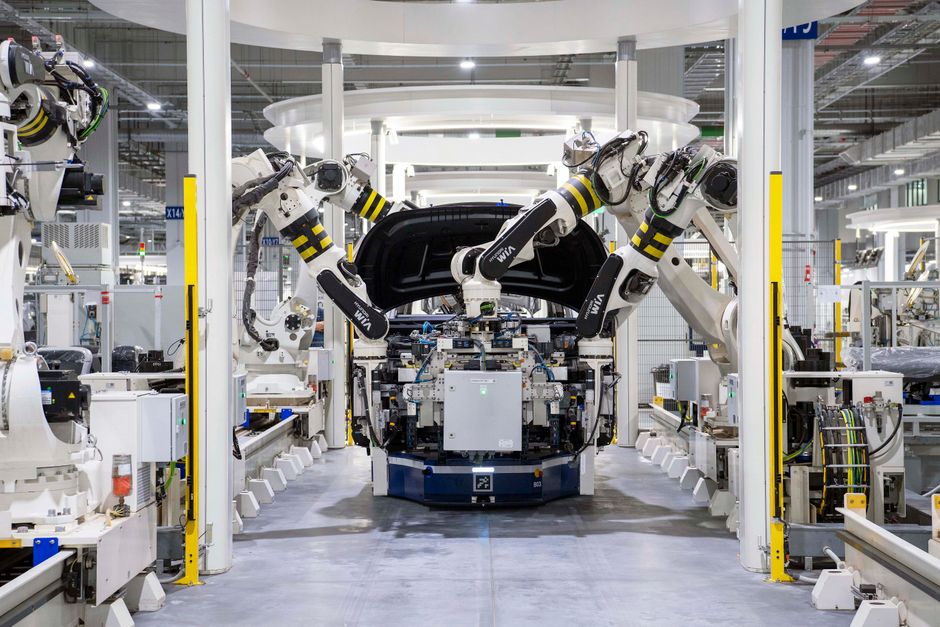
Beyond the core recovery processes, the recycling chain includes collection, sorting, and dismantling of batteries. Proper sorting is essential because different battery chemistries require different recycling processes, and mixing them can reduce efficiency and recovery rates. Automated disassembly systems are being developed to improve the safety and speed of dismantling, as manual disassembly can be labor-intensive and poses risks to workers. These upfront steps are critical to the success of any recycling program, as they determine the purity and quality of the input materials for the subsequent recovery processes.
Second-Life Applications for EV Batteries
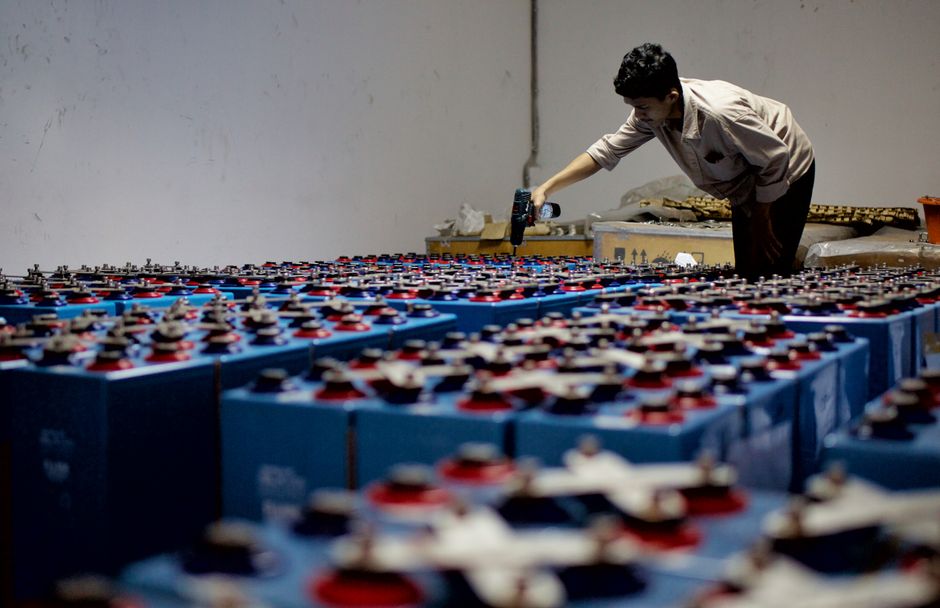
Before a retired EV battery reaches the recycling stage, it may be eligible for a second life in stationary storage. This concept involves repurposing batteries that have retained a significant portion of their capacity, typically 70-80%, for applications where high energy density and performance are less critical. Stationary energy storage is an ideal candidate, as it can balance grid fluctuations, store renewable energy, or provide backup power in commercial and residential settings.
The implementation of second-life battery projects requires thorough testing and assessment of battery health to determine their suitability for specific applications. This involves evaluating capacity, internal resistance, and thermal behavior to ensure safe and reliable operation. After assessment, the batteries are often integrated into battery packs or systems that can be connected to the grid or to renewable energy installations. These projects can extend the useful life of the battery and provide a more sustainable path than immediate recycling, although the final decision depends on the condition of the battery and the economic viability of the repurposing process.
Several pilot projects and commercial deployments have demonstrated the technical feasibility of second-life batteries. For example, stationary storage units using retired EV batteries have been used to store solar energy or to provide grid services such as frequency regulation. These units can reduce the costs associated with new grid storage infrastructure and help integrate intermittent renewable sources. However, challenges remain in standardizing these systems, as battery packs from different manufacturers and model years have varying specifications and performance characteristics. Efforts are underway to develop protocols for battery testing and to create modular designs that can accommodate diverse battery types.
Challenges and Considerations in Recycling and Repurposing
Both recycling and second-life repurposing face a variety of technical, economic, and regulatory challenges. On the technical side, the complexity of battery designs, including adhesives and complex module structures, can make disassembly difficult and costly. Safety concerns during handling and transportation of used batteries are also significant, as damaged batteries can pose fire risks. Economic viability is another challenge; the cost of recycling may sometimes exceed the value of the recovered materials, especially for batteries with lower metal content. However, as input volumes increase and technologies improve, economies of scale could bring down costs.
Regulatory frameworks also play a role in shaping the end-of-life battery market. In the European Union, for instance, new regulations mandate minimum recycling efficiencies and targets for material recovery, which are intended to push the industry toward more sustainable practices. Extended producer responsibility (EPR) schemes require manufacturers to take back batteries and ensure they are properly managed. These regulations create a legal and financial structure that supports recycling and promotes the development of second-life markets. At the same time, standards for battery safety and performance in second-life applications are still being developed, which can hinder widespread adoption.
Environmental considerations are central to the rationale for recycling and repurposing. By recovering materials like cobalt and lithium, the demand for virgin mining can be reduced, which lessens the environmental footprint associated with mineral extraction. Second-life uses reduce e-waste and delay the need for recycling, but they also introduce their own environmental impacts through the repurposing process itself. Life cycle assessments are used to compare the environmental burdens of different end-of-life pathways, helping stakeholders make informed decisions based on data.
Future Outlook and Emerging Innovations
As the EV market continues to grow, the volume of retired batteries will begin to increase substantially over the next decade. This expected surge has prompted investments in recycling infrastructure and research into more efficient and eco-friendlier technologies. Innovations in battery design, such as simpler modular construction and better labeling, are being explored to improve recyclability and reduce disassembly time. Additionally, new recycling methods, including direct recycling and advanced hydrometallurgical processes, are progressing from the lab to pilot scale.
In the second-life domain, digital technologies such as battery analytics and blockchain are being piloted to track battery health and lifecycle data. These tools can facilitate the assessment of second-life suitability and streamline the integration of used batteries into storage systems. Collaboration between automakers, recyclers, and energy companies is essential to establish robust supply chains for retired batteries and to standardize processes. The growing interest in stationary storage, driven by the expansion of renewable energy, is likely to increase the demand for cost-effective storage solutions, making second-life batteries an attractive option.
Ultimately, the path forward for battery recycling and second-life use will be shaped by a combination of technological advancement, regulatory pressure, and market dynamics. It is not a question of which approach is superior; rather, a combination of strategies will be needed to manage retired batteries in the most resource-efficient and environmentally sound manner. Continued research and development, along with proactive policy and industry initiatives, will be key to unlocking the full potential of these practices and moving towards a truly circular battery ecosystem.
In the context of the circular economy, battery recycling and second-life use are not competing but complementary strategies, each playing a distinct role in maximizing resource efficiency and minimizing environmental impact.